


How to Renovate a Rental Property Without Overspending
- Ciprian Ipate

- 2 days ago
- 6 min read
A rental refurbishment rarely fails because a landlord chose the wrong shade of paint. More often, costs rise because the scope was unclear, essential repairs were missed, or several trades were asked to work without a proper sequence. Knowing how to renovate rental property well means balancing tenant appeal, durability, legal responsibilities and a realistic budget from the outset.
For landlords and property investors in Wolverhampton and across the West Midlands, the strongest results usually come from a planned, whole-property approach. The aim is not to create a show-home at any cost. It is to provide a clean, safe, well-finished home that lets quickly, is straightforward to maintain and supports the long-term value of the asset.
Start with the rental strategy, not the shopping list
Before selecting a kitchen or ordering flooring, decide who the property is intended to attract. A family home, professional house share and lower-maintenance buy-to-let flat will each need a different level of finish, layout and storage.
Look at comparable local rentals and consider the expected monthly rent, tenant profile and likely tenancy length. A premium kitchen may be justified in an area where tenants expect it and the rent supports the investment. In other properties, a durable, well-planned standard kitchen with good worktop space and reliable appliances will produce a better return.
It also helps to separate essential work from value-adding improvements. Electrical safety, heating performance, damp issues, leaks, secure doors and windows, and sound plumbing come first. Decorating, new flooring and kitchen upgrades should follow once the building is dry, safe and functioning correctly. Spending on finishes before fixing underlying defects is a false economy.
Survey the property and define the full scope
A proper site survey gives the project a dependable starting point. Rather than focusing only on obvious cosmetic work, inspect the condition of walls, ceilings, timberwork, subfloors, plumbing, electrics, ventilation and external areas. Empty properties can reveal problems that were previously hidden by furniture or tenancy wear.
Pay close attention to bathrooms and kitchens. These rooms involve several trades and are most vulnerable to costly issues if they are poorly planned. A tired bathroom may need more than new tiles: inadequate extraction, damaged flooring, failing pipework or poor waterproofing can all need attention before installation begins.
Once the survey is complete, create a clear written scope. It should identify each room, the required works, the materials or finish level, and any items supplied by the landlord. This makes quotations easier to compare and reduces disagreement later. A transparent quotation should distinguish between confirmed work and allowances for items that cannot be fully assessed until work starts.
Allow for hidden defects
Older rental properties often have surprises behind old units, floor coverings and wall finishes. Rotten floorboards, uneven walls, dated wiring and leaks are common examples. No contractor can predict every concealed issue, but an experienced team can flag likely risks during the survey and explain how variations will be agreed.
Keep a sensible contingency within the budget, particularly for full renovations or properties that have been vacant for some time. The exact amount depends on condition and scope, but a contingency is more useful than reducing the allowance for essential materials or workmanship.
Put compliance and safety at the centre of the project
A successful rental refurbishment must meet the landlord's legal obligations as well as tenant expectations. Requirements vary depending on the property type, location and whether it is a house in multiple occupation, so it is sensible to check the current rules before work begins.
Electrical installation work should be completed and certified by a suitably qualified professional where required. Gas work must be carried out by a Gas Safe registered engineer. Smoke alarms, carbon monoxide alarms, escape routes, fire doors in relevant properties and adequate ventilation all need proper consideration.
Energy efficiency deserves attention too. Improving insulation, draught-proofing, heating controls and ventilation can make a property more comfortable to live in while helping to protect its condition. However, insulation and airtightness work should be planned alongside ventilation. A warmer property that traps moisture can develop condensation and mould problems.
If structural alterations, significant layout changes or certain replacement works are planned, check whether planning permission or Building Regulations approval is needed. A professional refurbishment contractor can help identify where specialist input or approvals may be required, but the landlord should ensure all necessary permissions are in place.
Choose durable materials that look good for longer
Tenants notice clean lines, practical storage, good lighting and a fresh finish more than expensive design statements. The best rental specification is often simple, coordinated and hard-wearing.
For flooring, consider the room and expected traffic. Quality luxury vinyl tile or sheet vinyl can be practical in kitchens, hallways and bathrooms because it is easy to clean and handles everyday use well. Carpet may suit bedrooms and living rooms, provided it is durable and chosen in a forgiving colour. Avoid fitting unsuitable flooring over damp, uneven or poorly prepared subfloors, as even a good product will fail without proper preparation.
In kitchens, select robust cabinet doors, reliable hinges and easy-clean worktops. Ensure there are enough sockets and usable worktop areas, particularly in family lets and shared accommodation. Neutral units can be refreshed more easily between tenancies than highly individual colours.
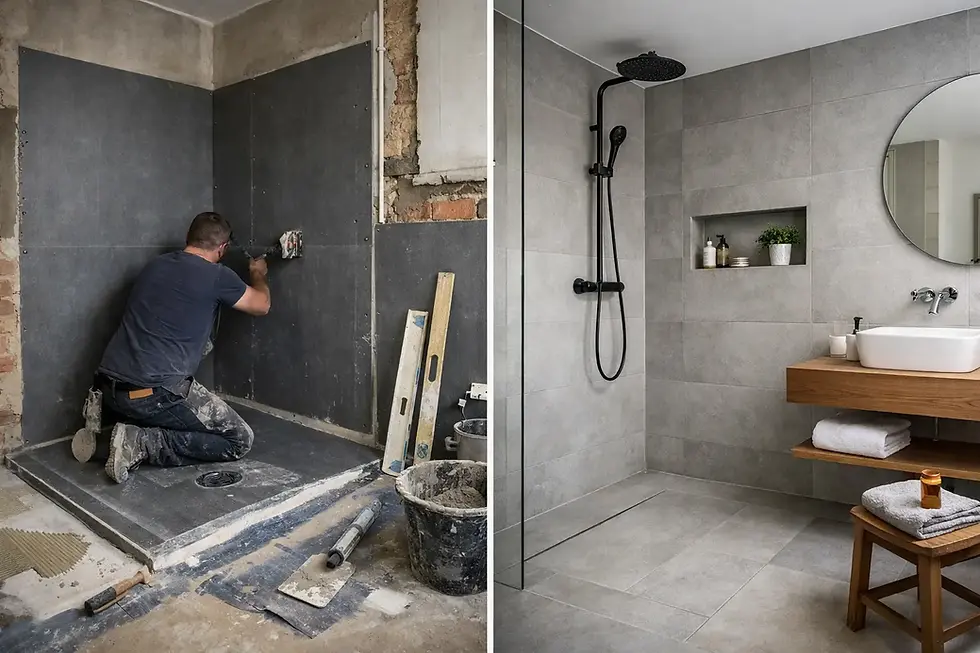
Bathroom refurbishments should prioritise ventilation, waterproofing, sound pipework and accessible isolation valves before visual details. Full-height tiling is not always necessary, but correctly fitted tiles, sanitaryware and sealant are. A well-finished bathroom with effective extraction will hold its appearance far better than one that simply looks new on handover day.
For decorating, use washable paint in high-traffic areas and retain a consistent, neutral palette across the property. This helps with touch-ups after a tenancy and makes replacement materials easier to source. Good preparation matters as much as the final coat: cracks, stained surfaces, loose plaster and damaged woodwork should be repaired properly.
Plan the works in the right order
The order of work has a direct effect on cost, quality and programme length. Starting decorative work before messy repairs are complete often leads to avoidable rework. Coordinated project management keeps trades working efficiently and protects finished surfaces.
A typical full rental renovation begins with clearance, strip-out and any remedial work. Electrical and plumbing first-fix work, structural carpentry, plastering and subfloor repairs follow. Kitchens and bathrooms are then installed at the appropriate stage, before flooring, second-fix electrics, decorating, final carpentry and finishing touches.
Some choices need to be made early because they affect several trades. For example, moving a kitchen sink may alter plumbing, electrical socket positions, flooring repairs and wall finishes. Confirm layouts, appliance sizes, tile selections and lighting positions before installation starts rather than making decisions while trades are waiting on site.
Avoid an empty-property rush
A void period creates pressure to finish quickly, and rightly so: every extra week can mean lost rent. However, rushing the wrong stage can cause a longer delay later. Fresh plaster needs suitable drying time, flooring must be fitted to a properly prepared base, and bathroom sealants must cure before use.
The practical answer is early planning. Arrange the survey, agree the scope, order long-lead items and book the relevant trades before the current tenancy ends where possible. A realistic programme is more dependable than a promise based on best-case conditions.
Control costs without reducing the standard
The most effective way to control renovation costs is to make clear decisions before work begins. Late changes to layouts, finishes or supplied items create extra labour, wasted materials and programme disruption.
Standardising selected finishes across a portfolio can also help. Using the same paint colours, internal doors, flooring ranges or kitchen styles makes future repairs and replacement simpler. That does not mean every property should look identical; it means choosing a specification that can be maintained efficiently.
Do not judge quotations solely by the final figure. Check what preparation, removal, waste disposal, materials, protection, certification and finishing work are included. A lower initial price may exclude vital elements that later become additional costs. Equally, the highest quote is not automatically the best. Look for a detailed scope, credible timescales, clear communication and evidence that the contractor understands multi-trade refurbishment.
Finish with a handover that protects the investment
Before marketing the property, inspect every room with the contractor. Check doors and windows, taps, appliances, seals, sockets, lighting, flooring transitions and paint finishes. Small snags are easiest to resolve before tenants move in.
Keep copies of certificates, product information, paint references and warranties in the property file. Photographs taken after completion provide a useful record of condition at the start of the tenancy. A thorough professional clean and a final safety check give the letting agent or incoming tenant a property that is ready to occupy.
A well-managed renovation should reduce future maintenance rather than merely postponing it. If you are planning a kitchen installation, bathroom refurbishment or complete rental property renovation in Wolverhampton or the wider West Midlands, Ro Maintenance can provide a clear site survey, transparent quotation and coordinated workmanship from first repair to final finish. Request a free quotation and discuss a refurbishment plan that suits your property, tenant market and budget.


Comments